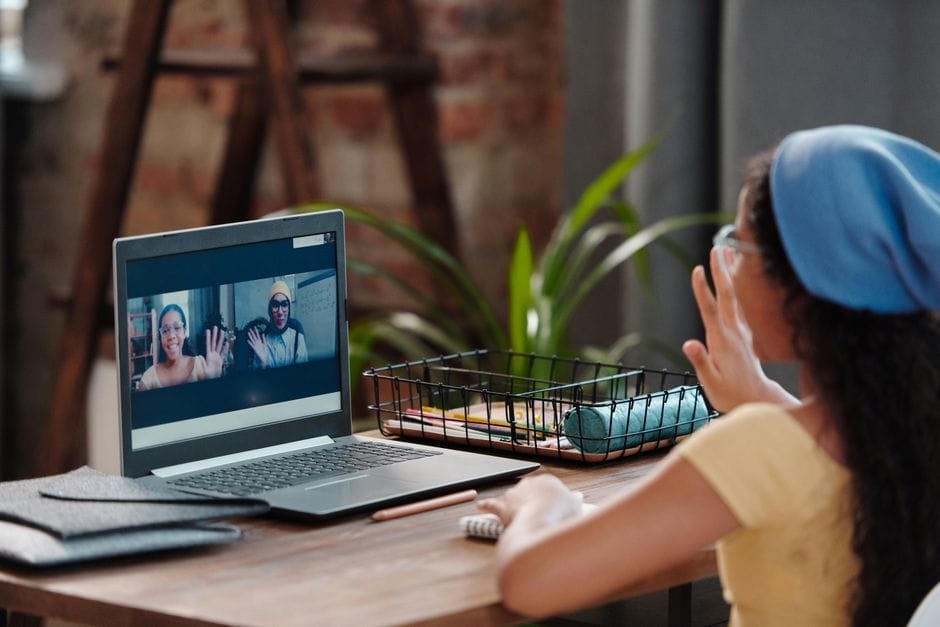
A video interview is won or lost in the boring details, not the brilliant answers. You can be the strongest candidate in the pile and still sink the whole thing because your microphone cut out, the sun behind you turned your face into a silhouette, or your flatmate wandered through the shot in a dressing gown. The good news is that every one of these failures is preventable with twenty minutes of preparation, and the candidates who prepare stand out simply by not having technical problems while everyone else fumbles.
Test everything before the day
Do a full dress rehearsal the day before, not five minutes before. Open the actual platform - Teams, Zoom, or whatever the invitation specifies - check your camera and microphone inside that platform, and run a short recording so you can hear yourself as the interviewer will. A wired ethernet connection or sitting close to the router beats relying on patchy wifi, and if your connection is genuinely unreliable, tethering to mobile data as a backup has saved many an interview.
Have a plan for failure too. Save the interviewer's phone number or email so that if the call drops, you can reconnect in seconds rather than panicking in silence. A calm "Apologies, my connection dropped - shall we continue?" turns a glitch into a non-event.
Light, eyeline, and the room behind you
Face a window or a lamp; never sit with the light source behind you, or you become a shadow. Raise the laptop on a stack of books so the camera sits at eye level, because a webcam pointing up your nose flatters nobody and a downward gaze reads as disengaged. Look at the camera lens when you speak, not at the little video of yourself - it feels unnatural, but to the interviewer it reads as eye contact.
Behind you, aim for plain and tidy. A blank wall is perfect; a bookshelf is fine; an unmade bed is not. Tell anyone in the house, and silence your phone and notifications so nothing pings mid-answer.
One-way recorded interviews
The recorded, one-way interview - where you answer pre-set questions to a camera with no human on the other end - feels strange because it is. There is no nodding face to react to, often a strict time limit, and sometimes only one take. Treat it as a presentation: glance at the question, gather your thought for a moment, then deliver to the lens as though a person were there. Practise with your phone first so the format stops feeling alien.
- Dress as you would for an in-person interview, fully, not just the visible half.
- Keep a glass of water and one page of notes just off-camera.
- If you blank on a one-way recording, take the breath, restart the sentence, and carry on - polish matters less than a clear answer.
Get the room and the kit right, and you free up all your attention for the only thing that should be hard: the questions.