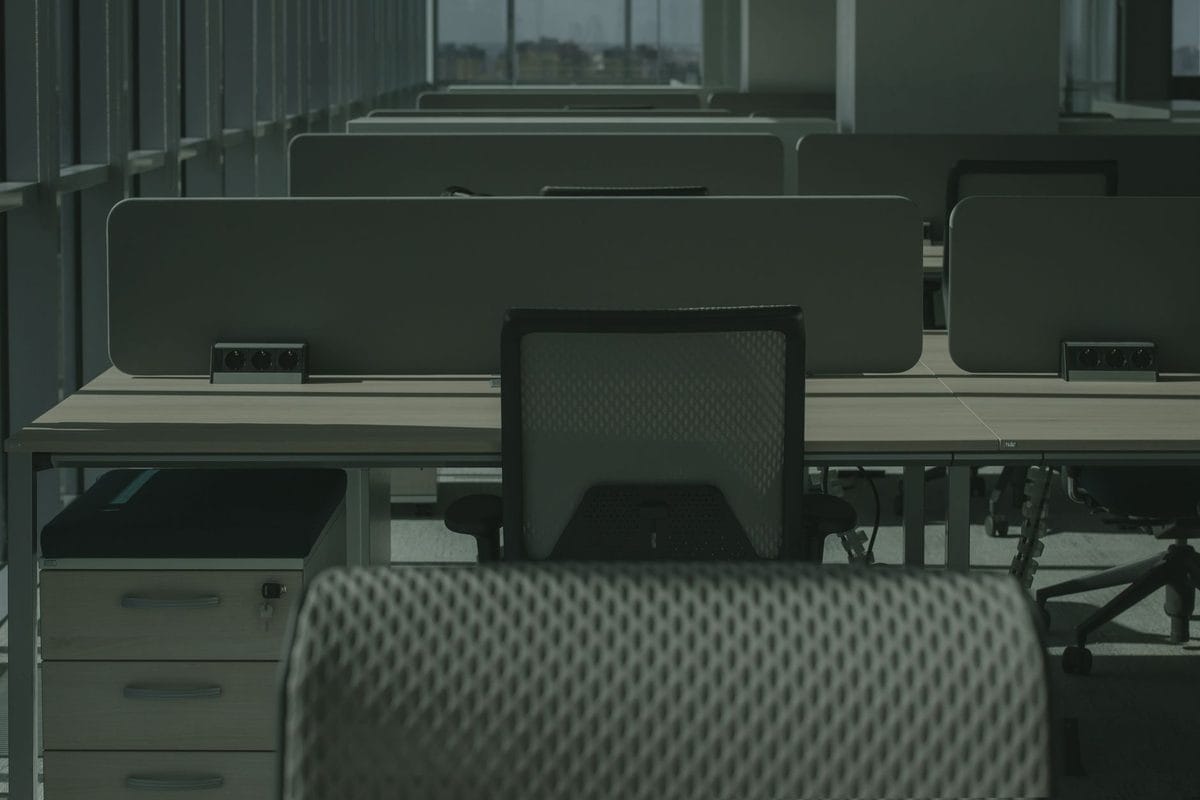
By the first week of July, something shifts in most British offices. The inbox thins out. Meetings that felt urgent in May quietly drop off the calendar. Half the team is in Cornwall or Crete, and the half that isn't spends a fair bit of the afternoon watching the clock. The summer lull is real, and most people treat it as dead time to be endured until September. That's a mistake. The quiet weeks are some of the most useful of the working year — if you know what to do with them.
Why summer is the best time to be visible
Here's the awkward truth that nobody puts in a development plan: in a busy office, good work gets buried. In July and August, with senior people thinner on the ground and fewer competing priorities, the same piece of work gets noticed. A tidy report that lands on a director's desk in November competes with forty other things. The same report in early August might be the most interesting thing they read that week.
So if you've been sitting on a proposal, a process fix, or an idea you couldn't get airtime for, now is when it has room to breathe. The people who matter have more attention to give, and less to give it to. Use that.
The cover-trap, and how not to fall into it
When colleagues are off, their work doesn't vanish — it lands on whoever's still in. Covering for an absent teammate can be a genuine career opportunity or a quiet act of self-sabotage, and the difference is whether anyone knows you did it.
If you take on something visibly above your usual remit — handling a client your manager normally fields, chairing a meeting that's usually theirs — make sure it's on the record. Not in a boastful way. A short note when they're back, summarising what you handled and any decisions you made, does two jobs: it hands the work back cleanly, and it puts your name on it. The people who cover silently and then resent not being thanked have nobody to blame but their own modesty.
What you don't want is to absorb three people's admin, drop your own priorities, and arrive in September exhausted with nothing to show. Pick what you cover. You're allowed to.
Take the leave. Actually take it.
British workers are notoriously bad at this. We hoard annual leave like it's going somewhere, then panic in February when the use-it-or-lose-it deadline looms. Most UK employers run leave on a calendar or April-to-April year, and a chunk of people end up either losing days or cramming them into the dark end of the year when the weather makes them worth less.
If you've got the holiday and the summer's quiet, book it. Rested people do better work, make better decisions, and are markedly less likely to walk out in a huff come autumn. And taking leave properly — phone off, out-of-office on, work genuinely handed over — is also a quiet test of whether your role is sustainable. If the place falls apart without you for a week, that's not a compliment. It's a warning, and better to learn it in July than to discover it during a real emergency.
The September head start
The other thing summer is good for is the work nobody ever has time for. Tidying the files everyone pretends are fine. Writing down the process that only lives in your head. Having the coffee with someone two teams over whose name you keep hearing. None of it feels urgent, which is exactly why it never gets done — and exactly why summer, with its missing urgency, is when it can.
Come September, the people who treated July and August as a holding pattern will spend the first fortnight digging out. The ones who used the quiet to clear ground, plant an idea or two, and rest properly will start the busy season already moving. The lull isn't the gap between the real working year. Handled well, it's where some of the year's best work quietly gets set up.
None of this means turning a slow summer into a grind. The point isn't to work harder while everyone else switches off. It's to be a little more deliberate with weeks that usually drift past unused — and then to take your own holiday and switch off too.